How to Test Vaginal pH
Maintaining the health of your vagina is worthy of life itself. Your vagina is sacred – for it is the gateway of life.
As with all water on the planet, the waters (fluids) of your vagina are in constant movement.
A vaginal pH test can indicate whether vaginal fluid is more acidic or alkaline than expected.
When imbalance occurs, and things go astray, checking the pH of the tissues waters can be achieved easily, quickly and cheaply.
For the truth is, the health of your vagina is all about microbes and the pH of the water these microbes are sustained in is what you’re looking to ascertain.
Checking the pH of your vaginal fluid cannot diagnose an infection or explain the cause of symptoms.
If you choose to test at home, use a kit specifically designed for vaginal pH and follow its instructions.
What Is Vaginal pH?
pH measures how acidic or alkaline a substance is. Vaginal pH naturally changes with age and other factors, including menstruation, sexual activity and menopause.
Before menopause, vaginal pH is commonly around 3.8–4.5. It may rise after menopause as estrogen levels change. These are general ranges, and not a diagnosis or a personal target. Speak with a healthcare professional if you are concerned.
What Can a Vaginal pH Test Tell You?
A result can provide one piece of information about vaginal fluid. A higher-than-usual pH may occur with bacterial vaginosis (BV) or other changes, but it does not confirm BV or identify another cause.
A pH test also cannot reliably distinguish between common causes of vaginal symptoms. For example, vaginal pH is often within the usual range with a yeast infection, but this does not rule one out.
What if I’m using creams etc.
If you’re using or have recently used creams etc. to treat your vagina, the results you get when you check your pH may not be a true indication of your vagina’s terrain, as whatever your using/applying can, and more than likely will effect your pH readings.
This is why it is suggested to regularly check the pH of your vagina’s fluids for day’s if not weeks so you have a before and after snapshot of what is normal for you.
What to consider before testing
Menstrual blood, semen and some vaginal products can affect results. If you have recently used a cream, pessary or other vaginal product, check the kit instructions or ask a healthcare professional whether you should wait before testing.
What you need to test vaginal pH
- We would advise using pH litmus paper over plastic strips as plastic strips can have sharp corners and or serrations.
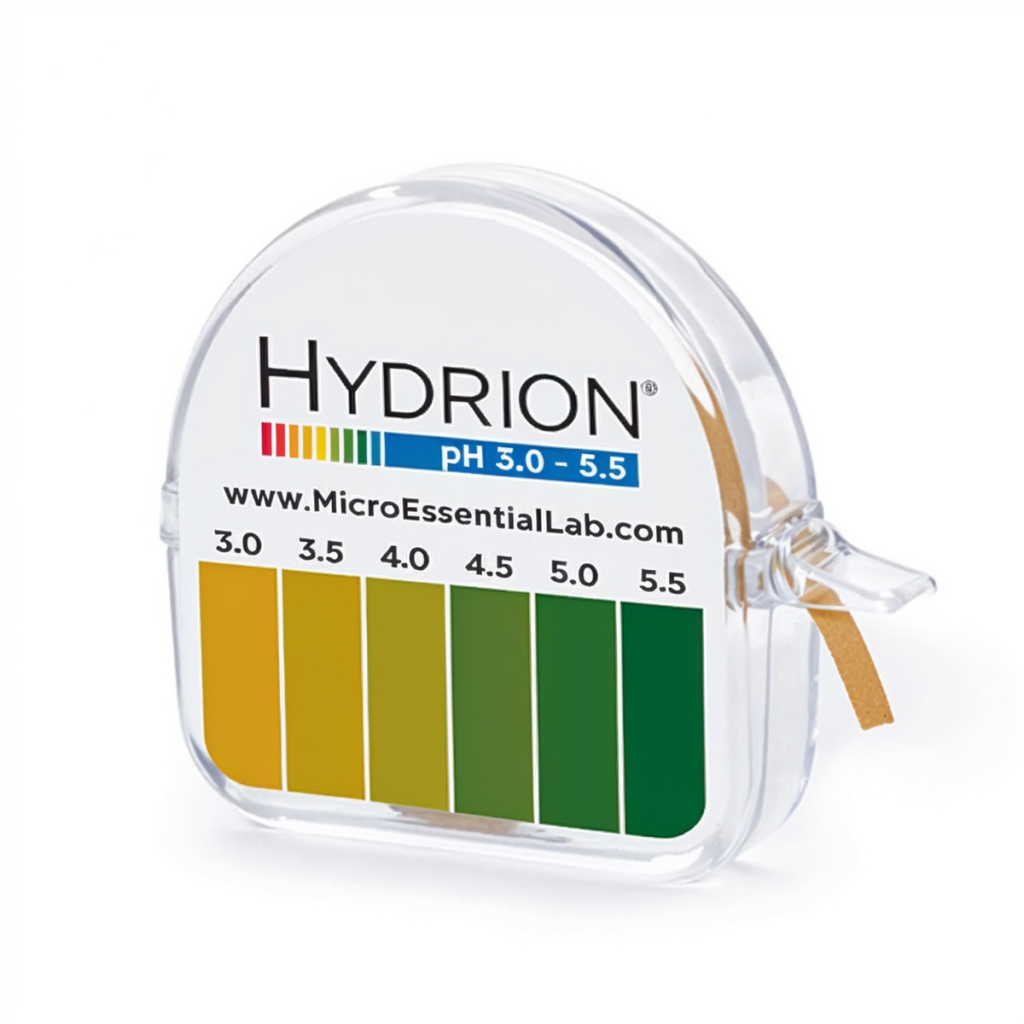
- Choose pH litmus paper that measure pH in increments of 0.5 pH or less. The smaller the increments, the more accurate the readings.
- If you’re having regular periods, choose strips with at least 4.0-5.0 pH on the scale.
- If you’re menopausal, you’ll need paper that can also read into the alkaline levels so choose paper that can read from between 4.0 on the acid side to 9.0 on the alkaline. In menopause, healthy vaginal pH is about 5.5.
- You’ll also need adequate vaginal fluid to wet the pH litmus paper.
How to test
- Break off some litmus paper from your roll so there’s enough paper for you to hold on to and an inch or so (25mm) to push inside your vagina. Don’t let go of it! Use your muscle to clamp down a bit on the paper so it gets covered in fluid, then gently pull it out.
- Alternatively, you can also use a dry finger (wash and dry your hands first) to pull some fluids out and apply to the litmus paper. Make sure there’s enough fluid to wet the paper.
- The results on the paper will be instant so check the colour of the paper against the colour chart found on the side if the litmus paper container.
Frequently Asked Questions About Vaginal pH Testing
Can a vaginal pH test diagnose an infection? No. A pH test cannot diagnose BV, a yeast infection or a sexually transmitted infection. It may offer one clue, but diagnosis may require help from a professional and laboratory testing.
What is a typical vaginal pH before menopause? Vaginal pH is commonly around 3.8–4.5 before menopause, but it can vary. A result outside this range does not by itself prove that something is wrong.
Does vaginal pH change after menopause? It can. Vaginal pH often becomes less acidic after menopause, partly because estrogen levels change. If you have discomfort, dryness or other symptoms, ask a healthcare professional about appropriate options.
Can menstrual blood or sex affect a vaginal pH result? Yes. Menstrual blood, semen and some vaginal products can influence a reading.
Should I use ordinary litmus paper inside my vagina? No. General-purpose litmus paper is not necessarily designed for vaginal use and may irritate sensitive tissue. Use a test specifically intended for vaginal pH, and follow its instructions.
What should I do if my result is outside the expected range? Do not treat the result on its own. Consider possible factors that can affect the reading, check the kit instructions and contact a healthcare professional if you have symptoms or ongoing concerns.
Related articles
DISCLAIMER: The products and information mentioned on this site are not intended to diagnose, treat, cure, or prevent any disease. Information and statements made are for education purposes and are not intended to replace the advice of your medical professional.